The Institute for Korean Studies presents:
Who Lives Alone in South Korea? Trends Over the Last Four Decades (1980-2020)
Hyunjoon Park
University of Pennsylvania
Abstract: There is growing media and public interest in the rise in solo living in South Korea, where family ties have traditionally been strong. Using individual-level data from the 2% microsamples of the Korean Population and Housing Census for 1980, 1990, 2000, 2010, and 2020, we examine trends in the prevalence of living alone across five 10-year age groups (25-34 through 65-74) for men (N=1,258,115) and women (N=1,311,326) over four decades. We focus on educational differences in solo living, particularly between college graduates and those with a high school education or less. The results show an increase in solo living across all age groups and both genders, regardless of educational attainment. However, among younger adults (25-34), college graduates have experienced faster growth in solo living, making them more likely to live alone than their lower-educated counterparts in 2020. In contrast, among older adults (65-74), those without a college degree show larger increases, making them more likely to live alone than their college-educated counterparts in recent years. The implications of these educational divergences in living alone are discussed within the broader context of family changes in contemporary Korea.
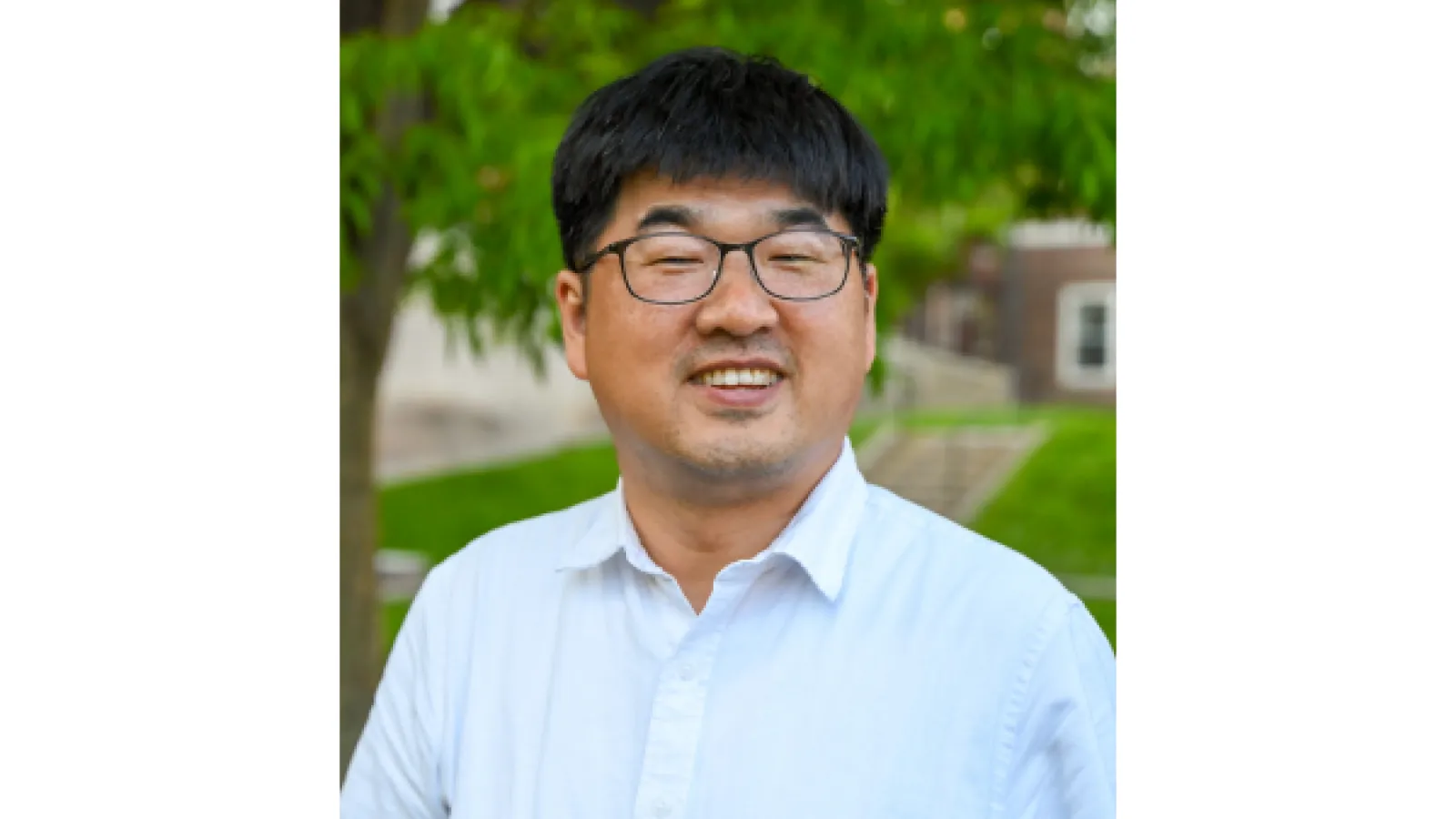
Hyunjoon Park is Korea Foundation Professor of Sociology and Director of the James Joo-Jin Kim Center for Korean Studies at the University of Pennsylvania. Park is interested in family and social stratification in cross-national comparative perspective, focusing on South Korea and other East Asian societies. He has studied changes in marriage, divorce, and living arrangements as well as consequences of demographic and economic trends for education, well-being, and socioeconomic outcomes of children, adolescents, and young adults in Korea. He was the director of the Korean Millennials Research Lab, a multiyear and multidisciplinary project team tasked with investigating the transition to adulthood among young adults in South Korea and Korean Americans in the US. His publications include the solo-authored book Re-Evaluating Education in Japan and Korea: De-mystifying Stereotypes (Routledge, 2013); the coauthored book Diversity and the Transition to Adulthood in America (University of California Press, 2022), and the coedited volume Korean Families Yesterday and Today (University of Michigan Press, 2020).