Korean Heritage: Wellness and Korean Temple Culture

One word I often hear while living in the United States is “wellness.” In parks and on walking paths, I often see people walking or running. Many people are also interested in yoga, meditation, and mindfulness. Healthy food and resting in nature are also important parts of daily life. Wellness does not simply mean being free from illness. Today, it is a way of life that helps people reduce stress and tiredness and find balance in both body and mind.
Why are so many people in the United States, Korea, and other countries interested in wellness? Maybe it is because a faster and easier life does not always give us the balance we need. In Korea, people are also thinking more about what it means to live a good life. From this point of view, Korean temple culture can have a new meaning for us. Many of the values we look for in wellness today can also be found in Korean temple culture.
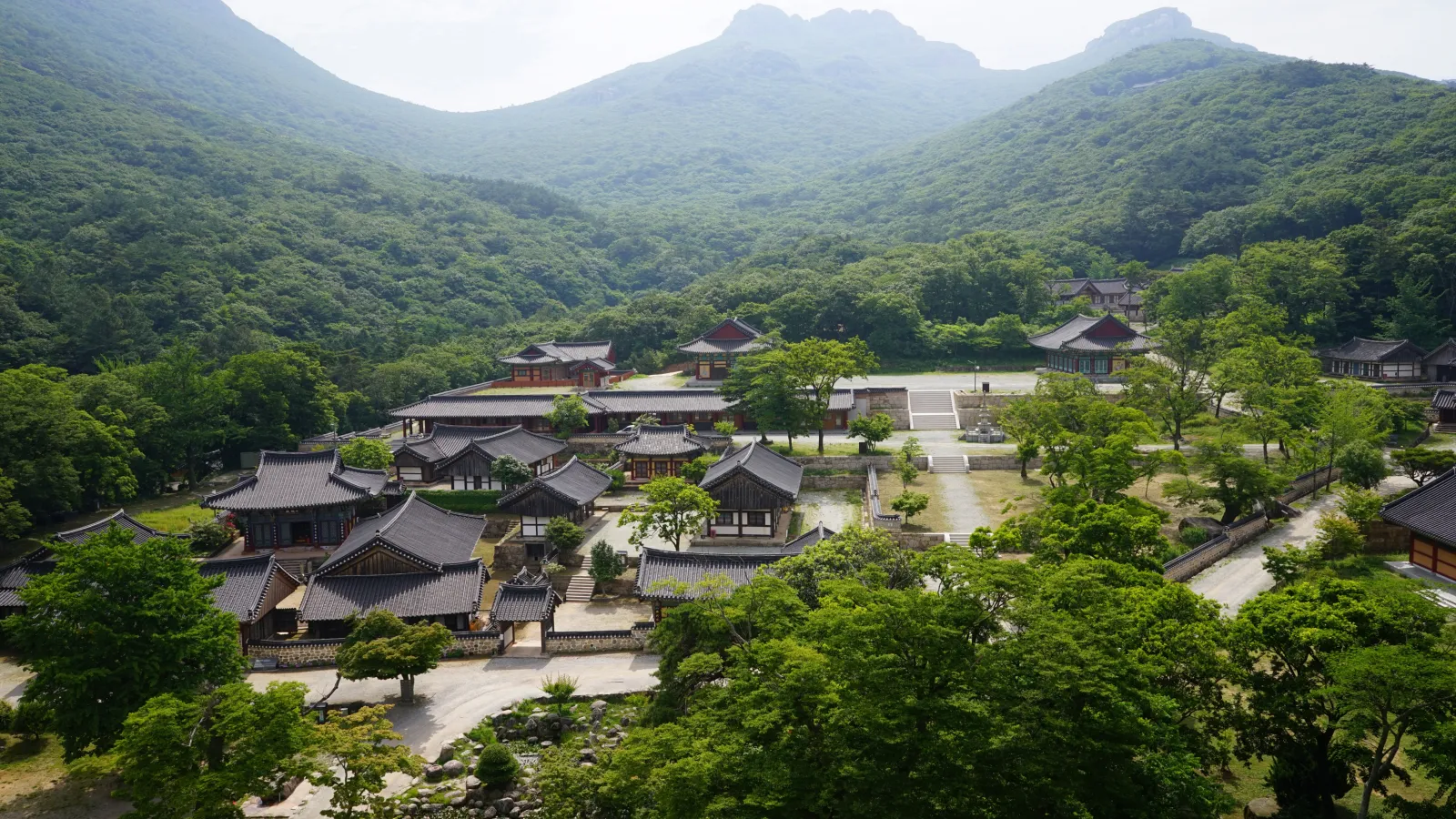
Korean temples have been close to nature for a long time. When we walk along a mountain path, we see forests and valleys, and often find temples surrounded by nature. At a temple, people start their day early in the morning. They take time to care for their body and mind. They eat only what they need and live with the changes of nature. Meditation, Buddhist practice, drinking tea, walking, and resting are also part of temple life.
The value of Korean temple culture is also recognized around the world. In 2018, seven Korean temples became a UNESCO World Heritage Site under the name “Sansa, Buddhist Mountain Monasteries in Korea.” UNESCO noted not only the temple buildings but also the Buddhist practices, beliefs, and daily traditions that are still alive today. These values of Korean temple culture are also closely connected to the balance that people seek through wellness today.
On September 17, Venerable Pomnyun gave a special talk at Ohio State. He is well known for his question-and-answer talks, where he listens to people’s problems and talks with them directly. People ask about family, relationships, work, worries, and other problems in daily life. I was impressed by his message. Instead of looking only at the world around us for the cause of our problems, he asks us to look at ourselves first. It was also a good example of how the old wisdom of Korean temple culture can meet our lives today.
As I listened to his talk, I felt that people may live in different places and cultures, but we all want to live healthy and happy lives. In this way, wellness is more than a trend in one country. It is an important value that people around the world think about together. As our world changes, we may not always need new answers to our questions. Maybe what we need to rediscover is the wisdom that has long been part of Korean temple culture.
Korean Heritage is a series of articles by Dr. Soon Ho Kim of the Korea Heritage Agency, who is a visiting scholar at Ohio State.