Korean Heritage: The Asian Festival: People and Community

Since its beginning in 1995, Columbus’s Asian Festival has grown into one of the major Asian cultural festivals in the United States. Every year, countless visitors come to Franklin Park to enjoy Asian performances, exhibitions, and cultural experiences. Through these activities, people experience and share one another’s cultures. The purpose of this festival is to bring people from different backgrounds together through culture and build community within the local area. Since the early years of the festival, Korea has also participated by presenting a variety of cultural programs while continuing to strengthen connections between the Korean American community and the local community.
In 2026, Korea was selected as the festival’s Focus Country. The theme of this year’s Korean program is “Rhythm of Korea, Harmony of Asia.” Through the diverse rhythms of Korean arts and K-culture, the program seeks to introduce the charm of Korea while promoting harmony and exchange with other Asian cultures. Beginning with a lively samulnori parade and the Korean national anthem, the program continues with fan dances, a hanbok fashion show, and K-pop performances. Blending tradition and modern culture into one continuous flow, the stage symbolically reflects both the present and the expanding reach of Korean culture.
The cultural experience booths are filled with love and enthusiasm for Korea. Programs such as trying on hanbok, drawing the Korean flag, and playing traditional Korean games are designed to give visitors a hands-on experience of Korean culture. In particular, the K-Heritage program is being specially presented with support from the Korea Heritage Agency as part of Korea’s selection as the 2026 Focus Country. The program is also connected to the “Visit Korean Heritage Campaign,” which was introduced earlier this year in New York. Beyond major cities such as New York, Los Angeles, Paris, and London, the project seeks to expand Korean cultural exchange into local communities. It reflects an effort to help Korean culture become a sustainable part of everyday community life, something people can experience and share together.
Yet the true center of this festival is not simply the name Korea. At its heart are the Korean people who continue to share and expand Korean culture. The Korean community has built its own community network and prepares for the festival by bringing together their talents, sincerity, and dedication. Artists participate through volunteer performances, Korean community members help prepare the cultural booths, and volunteers help operate the festival site. Countless people are dedicating themselves to this project and working together to make this festival possible.
Samulnori groups from across Columbus have united for this festival. Although they continue practicing within their own groups, they gather every Sunday evening to create one shared rhythm. They call themselves the Columbus Samulnori Union Team, but in spirit they are already one team. The sounds of janggu, buk, kkwaenggwari, and jing fill the rehearsal space with pride and passion for Korea. Through the rhythms of samulnori, people learn to move and breathe together. As they prepare for the performances and match their rhythms with one another, they are reminded once again of the meaning of community that this festival represents.
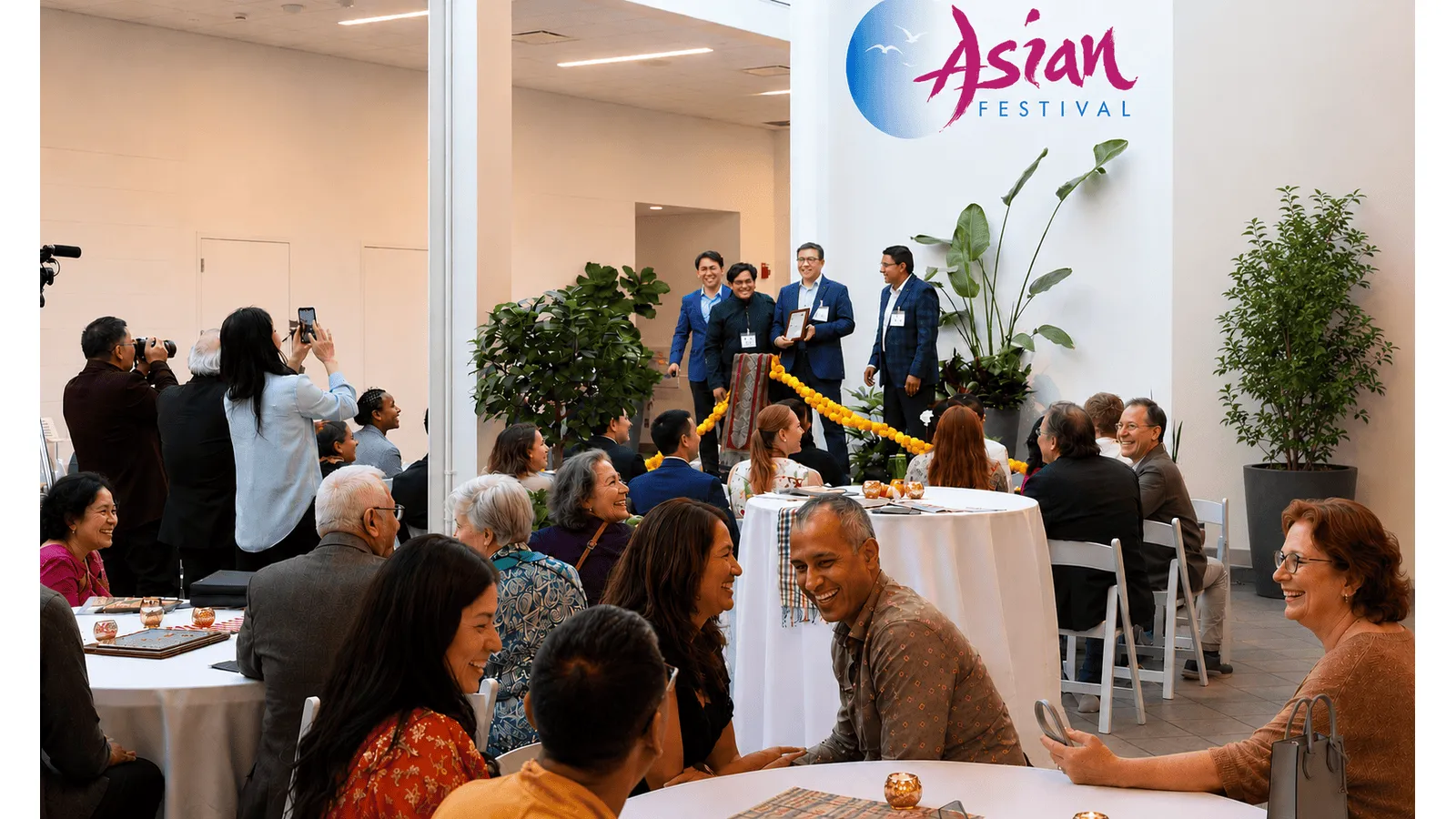
On Tuesday evening, May 7, more than one hundred people gathered at Franklin Park to prepare for the festival. Members of the festival board, organizing committees, federal and city officials, sponsoring organizations, volunteers, national operating teams, and featured performers all came together. During the gathering, they reflected on the festival’s history and revisited its meaning and values. At the same time, they encouraged one another, shared gratitude, and renewed their hopes for the success of the upcoming festival. It was more than simple event preparation; it was a gathering that strengthened the bonds between people and community.
The 2026 Asian Festival will take place on May 23 and 24 at Franklin Park. Through the festival, people meet face to face, laugh together, and share experiences and memories. That is why cultural memories remain for a long time. This is also why local festivals and community-centered cultural exchange are so important. Visitors will experience a wide variety of performances, food, and traditional cultures from many countries. Yet behind the colorful stages are the sincerity and hard work of countless unseen people. The true power of this festival comes from people who share their time, carry culture forward together, and build community. In the end, people and community are the true center and meaning of this festival.
Korean Heritage is a series of articles by Dr. Soon Ho Kim of the Korea Heritage Agency, who is a visiting scholar at Ohio State.