This talk explores the cultural, historical, and musical significance of the Japanese shakuhachi, an end-blown vertical bamboo flute. Rooted in Zen Buddhist traditions, specifically the meditative practice of suizen among the Fuke-shu’s komuso monks, the instrument embodies traditional Japanese aesthetics, such as wabi-sabi (beauty in imperfection) and ma (silence). Historically, the shakuhachi served as both a spiritual tool and a disguise for shogunate spies before being outlawed during the Meiji Restoration. Today, its diverse repertoire spans traditional solo Zen music (honkyoku), ensemble pieces (sankyoku), folk songs (minyō), and modern genres.
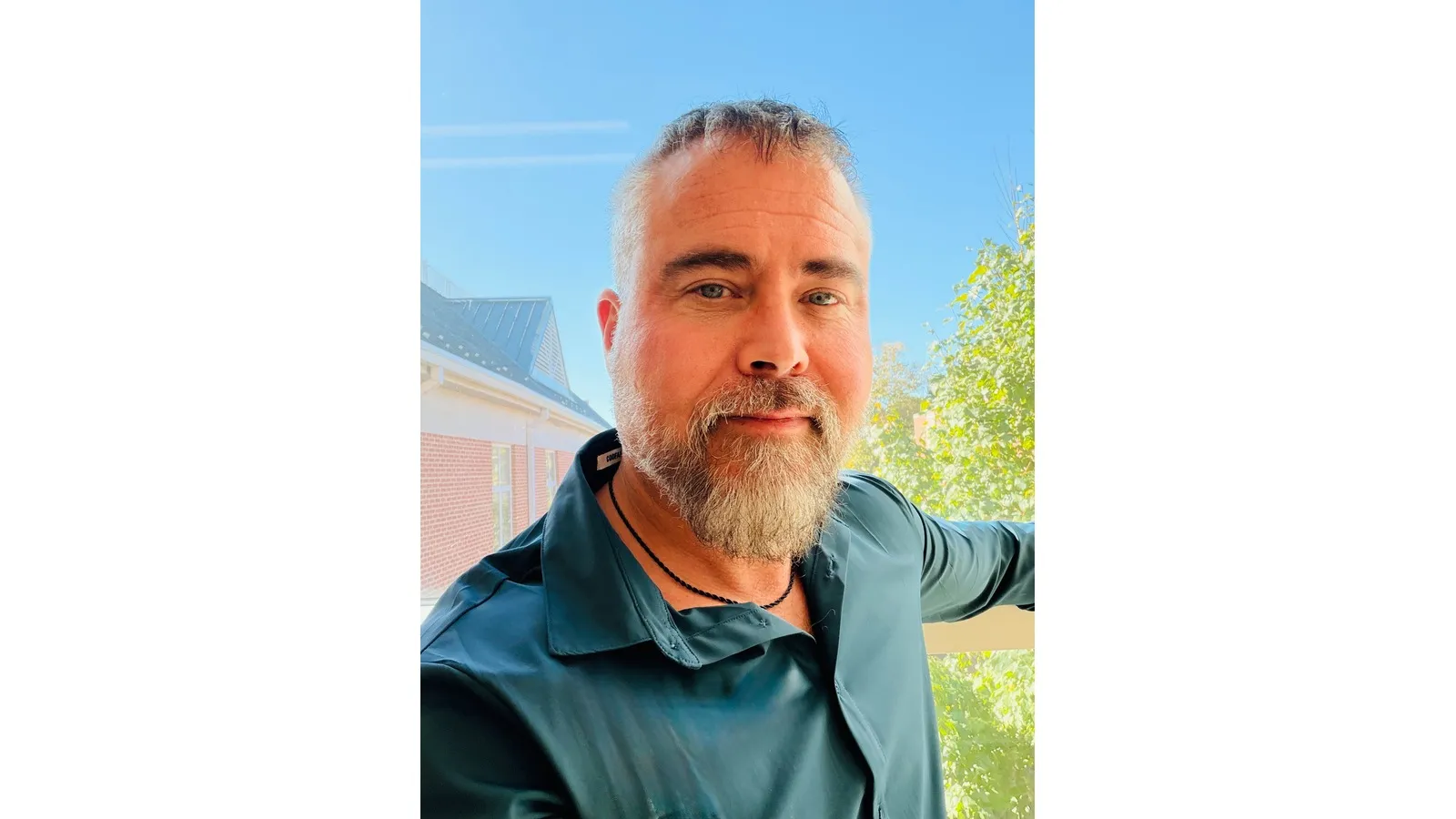
Dr. Jon Seichō Kenzen McCollum is Professor of Music, Chair of the Department of Music, and Director of the Ethnomusicology Minor at Washington College in Chestertown, MD. His research centers on historical ethnomusicology, ritual studies, Armenian musical traditions, and Japanese musical performance. He is a licensed Shihan (Master) of the shakuhachi and a prolific author, including his recent edited volume, Music and Cultural Diplomacy with David G. Hebert (Bloomsbury 2022). An ordained Sōtō Zen Buddhist monk and transmitted Zen teacher in the White Plum Asanga, Dr. McCollum’s work seamlessly unites rigorous academic scholarship, global cultural performance, and deep spiritual practice.
This talk is part of the Korean Heritage Project, supported by a grant from the Overseas Korean Cultural Heritage Foundation.