
The Institute for Korean Studies presents:
한국어와 문화 읽기 (Korean Culture Embedded in the Language)
Hyoun Hwa Kang
Yonsei University
Flyer: Kang Flyer [PDF]
Abstract:
*Please note that this lecture will be delivered in Korean*
다른 언어와 다른 문화를 배운다는 것은 언어, 가치관, 관습 등이 상이한 사람들이 학습이라는 과정을 통해 서로 접촉하며 의미를 공유하고 이해하는 과정이다. 언어는 사람들 간에 생각과 지식을 주고받는 의사소통의 대표적인 수단으로, 그 말을 사용하는 사람의 생각이나 관습이 담겨 있고, 그 집단에서 이루어진 문화의 총체가 녹아들어 있다. 본 강의는 한국어에 담긴 한국 문화의 특성을 살펴보고, 이를 바탕으로 다른 나라와 구별되는 한국의 문화적 행동 양식을 짚어본다. 사람들은 타문화를 접하고 타문화 사람들과의 상호작용을 통해, ‘서로 다름’의 차이에서 비롯되는 문화를 인지하고 공감대를 형성하면서 문화적 갈등을 극복하게 된다. 이러한 과정을 통해 성숙한 세계 시민으로 성장하는 것이며, 이것이 타문화 학습의 이유일 것이다.
Learning a foreign language and culture is a process of sharing and understanding cultural references of the people with different values and customs. Language is a representative means of communication for exchanging knowledge and ideas; it is a comprehensive cultural entity containing and reflecting its speakers’ thoughts and practices. This lecture examines the characteristics of Korean culture embedded in the Korean language and further elaborates on distinct Korean cultural norms and behaviors suggested in vocabulary and phrases such as idiomatic expressions and newly coined words. Cultural clashes and conflicts are mediated and resolved by acknowledging “cultural differences” and by building empathy through reciprocal learning and exchanges, which is an essential step to become a mature global citizen.
Bio:
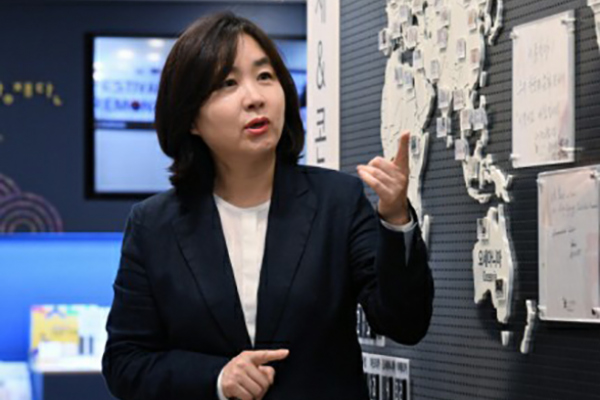
강현화 교수는 연세대학교 국어국문학과 교수로 현재 ‘세종학당재단’의 이사장을 맡고 있다 세종학당재단은 한국의 공공기관으로서 전 세계에 한국어와 한국문화를 보급하는 기관이다. 한국어 어휘, 문법, 담화, 문화, 말뭉치, 학습사전 등의 다양한 학문 분야에 관심을 보여, 관련된 약 120여 편의 논문과 30권 가량의 단행본을 출간하였다.
Hyoun Hwa Kang is Professor of Korean at the Department of Korean Language and Literature, Yonsei University, Korea. She is currently the President of the King Sejong Institute Foundation, which is a South Korean government organization dedicated to disseminating Korean language and culture around the world. Professor Kang has published more than 120 research articles and 30 monographs on various aspects of the Korean language including Korean vocabulary, grammar, discourse, corpus, dictionary, and culture.
Free and Open to the Public
If you require an accommodation, such as live captioning, to participate in this event, please contact Stephanie Metzger at metzger.235@osu.edu or 614-247-4725. Requests made at least two weeks in advance of the event will generally allow us to provide seamless access, but the university will make every effort to meet requests made after this date.
This event is supported by a U.S. Department of Education Title VI grant to The Ohio State University East Asian Studies Center.


